

Does the manufacturing process of Orsolite Foam have an environmental impact?
Hey there! I'm a supplier of Orsolite Foam, and I've been getting a lot of questions lately about the environmental impact of its manufacturing process. So, I thought I'd take a moment to dive into this topic and share what I've learned.
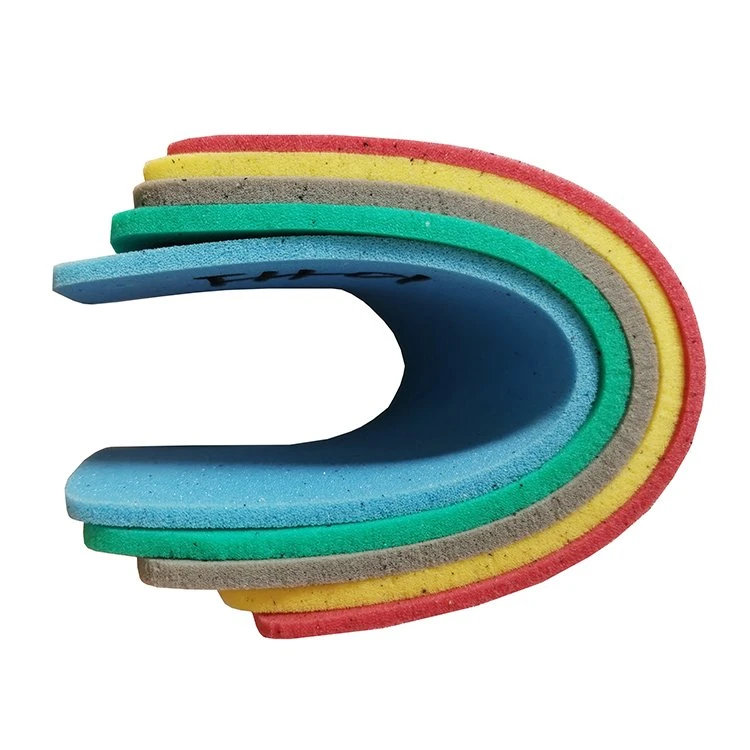
First off, let's talk a bit about what Orsolite Foam is. It's a high - performance open - cell polyurethane foam that's widely used in the footwear industry. You can find it in all sorts of shoes, from running sneakers to casual loafers. It's known for its excellent cushioning, breathability, and moisture management properties. If you're interested in the different types of foam for footwear applications, you can check out Foam For Footwear and Foam for Insoles on our website.
Now, onto the main question: Does the manufacturing process of Orsolite Foam have an environmental impact? Well, like any manufacturing process, there are some aspects that can have an effect on the environment, but the good news is that Orsolite has been taking steps to minimize these impacts.
Raw Materials
The production of Orsolite Foam starts with raw materials. Polyurethane is the primary component, and the sourcing of the chemicals used in polyurethane can be a concern. Some of the traditional raw materials for polyurethane production have been associated with environmental and health issues. For example, certain isocyanates, a key ingredient in polyurethane, can be harmful if not handled properly during the manufacturing process.
However, Orsolite has worked on using more sustainable raw materials. They've been exploring bio - based alternatives to traditional petrochemical - derived polymers. Bio - based materials are made from renewable resources like plants, and they can significantly reduce the carbon footprint associated with the foam production. By replacing a portion of the petrochemicals with bio - based materials, Orsolite is moving towards a more sustainable future.
Energy Consumption
Manufacturing foam requires energy, and a significant amount of it. The process involves heating and mixing the raw materials, and this energy usually comes from fossil - fuel sources in many industrial settings. High energy consumption means more greenhouse gas emissions, which contribute to climate change.
Orsolite manufacturers are aware of this issue and have been investing in energy - efficient technologies. They're using advanced machinery that can operate at lower energy levels without sacrificing the quality of the foam. Additionally, some facilities are looking into renewable energy sources, such as solar or wind power, to power their manufacturing processes. This shift to renewable energy not only reduces the environmental impact but also helps in the long - term cost - effectiveness of the production.
Waste Generation
Another aspect of the manufacturing process is waste generation. During the production of Orsolite Foam, there can be scraps and off - cuts that are considered waste. In the past, a lot of this waste would end up in landfills, which is not an environmentally friendly solution.
But now, there are recycling programs in place. Orsolite foam scraps can be recycled and used in the production of new foam products. This not only reduces the amount of waste going to landfills but also saves on raw materials. It's a win - win situation. If you want to know more about the different sponge products we offer, like Orsolite Foam, you can visit Footwear Sponge.

Chemical Emissions
As mentioned earlier, the production of polyurethane foam can involve the use of chemicals that may emit pollutants into the air. These emissions can contribute to air pollution and have negative effects on human health and the environment.
Orsolite manufacturers have implemented strict air pollution control measures. They use scrubbers and other filtration systems to capture and treat the chemical emissions before they're released into the atmosphere. These systems help to ensure that the air quality in and around the manufacturing facilities is maintained at an acceptable level.
Water Usage
Water is also an important part of the manufacturing process. It's used for cooling, cleaning, and other operations. However, water is a precious resource, and excessive water usage can lead to water shortages in some areas.
Orsolite companies have been working on water conservation measures. They're reducing the amount of water they use in their processes through recycling and reusing water. This not only helps to conserve water but also reduces the cost associated with water treatment and disposal.
The Bottom Line
In conclusion, while the manufacturing process of Orsolite Foam does have some environmental impacts, the industry is taking proactive steps to address these issues. From using more sustainable raw materials to investing in energy - efficient technologies and waste - recycling programs, there's a clear effort to make the production process more environmentally friendly.
As a supplier, I'm proud to be part of an industry that's committed to sustainability. And I believe that as technology continues to improve, we'll see even more positive changes in the way Orsolite Foam is manufactured.
If you're in the market for high - quality Orsolite Foam or other footwear - related foam products, I'd love to have a chat with you. We can discuss your specific needs, the environmental benefits of our products, and how we can work together to meet your goals. Whether you're a shoe manufacturer looking for a reliable foam supplier or a designer in need of the perfect material for your next project, I'm here to help.