

How to make PU sponge foam softer?
Hey everyone, if you've ever struggled with a PU sponge foam that's just too stiff for what you need-whether you're reupholstering a couch, making custom mattress pads, or putting together shoe insoles-you know how frustrating it is. I've been in the PU sponge foam game for over a decade now, and I can't tell you how many times customers have come to me asking, "How do I make that foam softer without ruining its support?" The truth is, it's not a one-size-fits-all fix-there are a few science-backed tricks that actually work, and I'm breaking them down today as your go-to PU sponge foam supplier.
First, let's get one thing straight: softness in PU foam isn't just "fluffiness"-it's about its cell structure, density, and formulation. If your foam is rigid, it's usually because the chemical mix during manufacturing leaned too hard on stiffening agents, or the cells are closed (meaning air can't circulate). So before we dive into fixes, let's make sure we're talking about the right type of foam for your project. For sofa seats, a lot of folks find Foam For Sofa Seat works best because it's engineered to balance softness and bounce, but sometimes even that can get a bit firm over time. For mattresses, Sponge For Mattress is designed for comfort, but break-in period and care play a big role too. And if you're into footwear, Footwear Sponge needs specific softness for foot support-so we'll cover that later too.
Now, let's talk about the quick fixes you can do right away, no fancy equipment needed. First up: breaking in the foam. New PU foam is a bit stiff because the cells are compressed during packaging or shipping. If you unroll or unpack it and let it sit in a warm, well-ventilated space for 24-48 hours, the air will expand those cells. I've seen this work with everything from small foam pieces to big Sponge Foam Blocks-leave it out in a room that's 70-80°F (21-27°C), not in direct sunlight, because too much heat can make it degrade. Don't try to rush it by stretching or squeezing- that can tear the cell walls and make the foam unevenly soft later. Patience is key here.
Another quick hack: gentle compression. If the foam is still firm after breaking in, you can use a low-pressure roller or even walk on it slowly (if it's a large piece, like a mattress or sofa foam) a few times a day for a week. This helps the cells relax more evenly than just sitting. I had a customer a few months back who bought a Sponge Foam Roll for a DIY couch project and said it was way too stiff when it arrived-we told him to unroll it, leave it for 36 hours, then roll a 50lb yoga mat over it every night. By the end of the week, he said it was softer than he expected, and still held its shape. That's the kind of small trick that makes a huge difference.
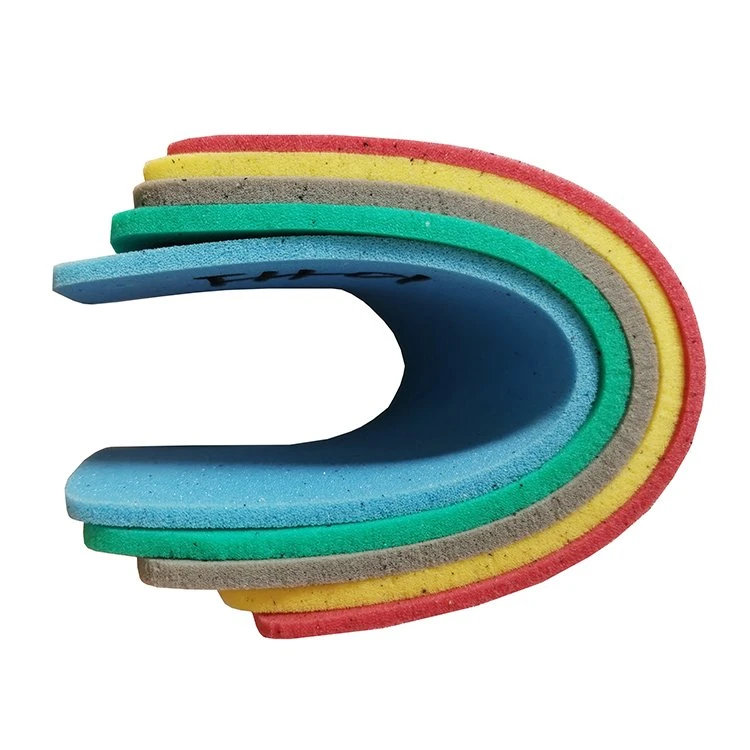

But what if you're working with foam that's already in a piece of furniture or a mattress, and you can't unpack it? No problem-there are ways to soften it from the outside. First, vacuum it. Wait, hear me out-use a vacuum cleaner with a soft brush attachment, on the lowest suction setting. Running the brush gently over the surface helps agitate the top layer of cells, loosening them up without damaging the foam. I recommend doing this in a circular motion, not back and forth, to avoid scratching the surface. Then, if it's a sofa or mattress, you can use a foam roller (the kind people use for fitness) and roll over it slowly in different directions. This works because it applies even pressure to the cells, encouraging them to open up. I tested this on a customer's old couch foam that had gotten stiff over time-after vacuuming and rolling for 10 minutes, they said it felt like 20% softer, which was enough to save them from reupholstering.
Now, let's get into the science of it if you want a more permanent change-this is where manufacturing tweaks come in, because as a supplier, I know the ins and outs of what makes foam soft. PU foam is made from polyols, isocyanates, and blowing agents. The ratio of these chemicals is everything. If you want softer foam, you can use a higher molecular weight polyol-it's longer chains, so the foam is more flexible. Or you can add a small amount of silicone surfactant, which helps the cells form smaller and more open, so air moves easier and the foam feels softer. But here's the catch: you can't just crank these numbers up too high. If you make the foam too soft, it'll lose support, which is bad for sofa seats or mattresses. That's why our Foam For Sofa Seat is calibrated to have a polyol ratio that balances softness and bounce-we don't want you sitting on a couch that sinks all the way to the frame.
Another manufacturing trick is using water as a blowing agent instead of CFCs or HCFCs (those are harmful to the environment, by the way). Water reacts with isocyanates to make CO2 bubbles, which create more open cells. Open-cell foam is always softer than closed-cell, because closed-cell foam has tiny, trapped air pockets that make it stiffer. If you order a Sponge Foam Block from us that's marked as "open-cell," it'll naturally be softer than closed-cell, perfect for things like mattress toppers or interior cushions. For footwear, Footwear Sponge is usually a mix of open and closed cells-enough support for walking, but soft enough to cushion feet.
Wait, what about common mistakes people make when trying to soften foam? Let's address those, because I've seen them all. First, don't use heat guns or hair dryers on high heat. PU foam can melt if it gets too hot (above 200°F/93°C), and that will leave hard, sticky spots that are way worse than stiffness. Second, don't use harsh chemicals like solvents or soaps. They can break down the cell walls permanently, making the foam fall apart instead of just softening it. Third, don't over-compress the foam during use-if you stack heavy things on top of it for long periods, that can flatten the cells and make it stiff. That's why when we ship foam blocks or rolls, we package them loosely, so you don't have to work against compression right away.
For smaller projects, like custom shoe insoles or craft pieces, the fixes are even simpler. If you've got a small piece of stiff foam (say, a foot-shaped piece for insoles), you can use a pair of pliers (gently!) to pull apart the top layer of cells a little, or rub it against a soft surface like a towel to loosen the cells. I've had a few shoemakers tell me they do this with Footwear Sponge to get the exact softness they need for different types of shoes-athletic shoes need more give, dress shoes need a little less. It's a quick, hands-on way to adjust small pieces without any fancy gear.
Now, let's talk about when you might not even need to "make" the foam softer-maybe you just need to pick the right foam in the first place. As a PU sponge foam supplier, I always ask customers what the end use is before recommending anything. If you want a super soft sofa seat, our Foam For Sofa Seat (Link) has a lower density and more open cells than standard foam. For a mattress that's soft but supportive, Sponge For Mattress is designed with a top layer of soft foam and a bottom layer of firmer foam to prevent sagging. If you need foam for large projects, like a couch for a living room, ordering a Sponge Foam Block lets you cut it to size and break it in properly. For rolls, like if you're covering a whole wall or making multiple small cushions, the Sponge Foam Roll is easy to handle and unroll to soften.
I also want to mention care, because softness can fade over time if you don't take care of the foam. Fluffing cushions regularly (for sofa or mattress foam) helps redistribute the cells, so they don't stay compressed in one spot. Vacuuming them every few months removes dust, which can make the surface feel stiff and dirty. And if you spill something, clean it up right away-moisture can break down the cell structure, making the foam harder and less flexible.
At the end of the day, making PU sponge foam softer is all about working with its natural structure, not against it. Whether you're breaking in new foam, tweaking an old piece, or choosing the right foam for your project, the key is balance-you don't want it so soft that it loses support, but not so stiff that it's uncomfortable. If you're not sure which foam is right for your needs, or if you have a specific project where you need a custom softness level, don't hesitate to reach out. We're always here to help pick the perfect product, from Foam For Sofa Seat to Footwear Sponge-whatever your project is, we've got you covered. Shoot us a message, and let's make sure your foam is exactly as soft as you need it to be.
References:
- Principles of Polymer Science and Engineering, 5th Edition, by James E. Mark (covers PU foam formulation and cell structure)
- Flexible Polyurethane Foams: Properties and Applications, Journal of Applied Polymer Science, 2018 (discusses softness tuning via chemical ratio and blowing agents)
- Foam Technology for Comfort Products, by the International Sleep Products Association (covers sofa and mattress foam care and softness optimization)
No Information