

Is training required to operate a foam cutting machine?
Is training required to operate a foam cutting machine? This is a question that many potential users of foam cutting machines often ask. As a supplier of foam cutting machines, I have encountered this query numerous times, and in this blog post, I will delve into this topic to provide a comprehensive answer.
Understanding the Complexity of Foam Cutting Machines
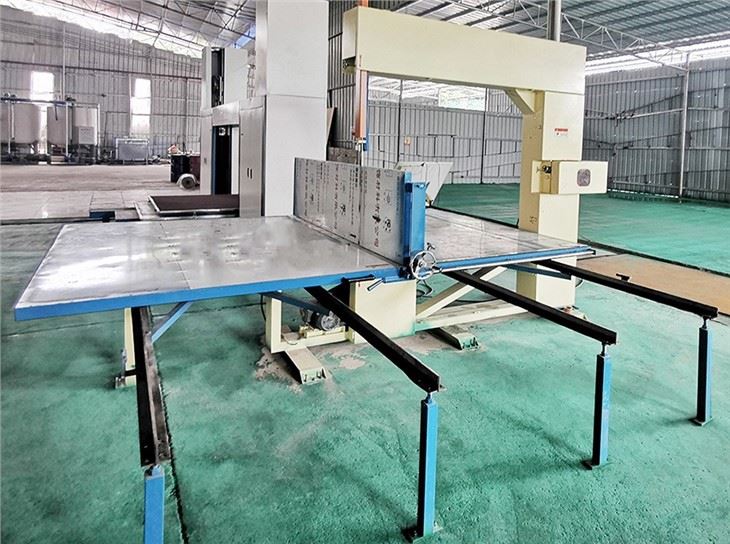
Foam cutting machines come in various types and models, each designed for specific cutting tasks. For instance, the 3D Sponge Cutter is capable of creating intricate three - dimensional shapes from foam materials. This type of machine requires a high level of precision and control. On the other hand, the Vertical Foam Cutting Machine Manual is more straightforward in its operation, allowing for vertical cuts on foam blocks.
The Foam Block Cutter is designed to slice large foam blocks into desired sizes. This machine may seem simple, but it still involves handling relatively large and heavy pieces of foam, which requires knowledge of safety procedures. The Automatic Circular Foam Cutting Machine is used for making circular cuts, and its operation is automated to a certain extent, yet it still demands an understanding of its programming and control systems. Lastly, the Foam Peeling Machine is specialized in peeling foam to achieve a specific thickness.
Reasons Why Training is Required
Safety First
Safety is the foremost reason why training is necessary. Foam cutting machines are equipped with sharp blades or heated wires that can cause serious injuries if not handled properly. Operators need to be trained on how to operate the emergency stop buttons, how to safely load and unload foam materials, and how to maintain a safe working distance from the cutting elements. For example, when using a heated - wire cutter, there is a risk of burns if the operator accidentally touches the wire. Training ensures that operators are aware of these risks and know how to prevent them.
Optimal Machine Performance
Each foam cutting machine has its own set of features and capabilities. Without proper training, operators may not be able to fully utilize the machine's potential. For instance, the 3D Sponge Cutter has advanced software for creating complex shapes. A trained operator can input the correct parameters and use the software effectively to produce high - quality 3D foam products. In contrast, an untrained operator may struggle to operate the software, resulting in sub - optimal cutting results or even damage to the machine.
Maintenance and Troubleshooting
Regular maintenance is essential for the longevity of foam cutting machines. Trained operators are taught how to perform basic maintenance tasks such as cleaning the blades, lubricating moving parts, and checking the electrical connections. They are also equipped with the knowledge to identify common problems and perform simple troubleshooting steps. For example, if the cutting speed of the Automatic Circular Foam Cutting Machine suddenly slows down, a trained operator can quickly identify whether it is due to a dull blade or a problem with the motor.
What Training Entails
Theoretical Knowledge
Training typically starts with theoretical instruction. Operators learn about the different types of foam materials and their properties. This knowledge is crucial because different foam materials may require different cutting techniques. For example, open - cell foam may require a different cutting speed and pressure compared to closed - cell foam. Operators also learn about the basic working principles of the foam cutting machine, including how the electrical, mechanical, and control systems work together.
Practical Skills
Practical training is equally important. Operators get hands - on experience with the machine under the supervision of an experienced trainer. They learn how to set up the machine for different cutting tasks, how to adjust the cutting parameters, and how to operate the machine safely. For example, they practice loading foam blocks onto the Foam Block Cutter, setting the cutting thickness, and starting and stopping the machine.
Safety Procedures
A significant part of the training is dedicated to safety procedures. Operators are taught how to wear the appropriate personal protective equipment (PPE), such as safety goggles, gloves, and ear protection. They also learn about the fire safety measures, as some foam materials are flammable, especially when in contact with heated cutting elements.
The Benefits of Training for Businesses
Increased Productivity
Well - trained operators can work more efficiently. They are able to set up the machines quickly and make accurate cuts, reducing the time wasted on trial and error. This leads to increased productivity, allowing businesses to produce more foam products in a given time frame.
Improved Product Quality
Training ensures that operators have the skills and knowledge to produce high - quality foam products. They can make precise cuts, create complex shapes, and maintain consistent quality throughout the production process. This can enhance the reputation of the business and lead to more customer satisfaction.
Reduced Machine Downtime
When operators are trained in maintenance and troubleshooting, they can identify and fix minor problems before they turn into major issues. This reduces the machine downtime, ensuring that the production process runs smoothly.

Conclusion
In conclusion, training is highly required to operate a foam cutting machine. Whether you are using a simple Vertical Foam Cutting Machine Manual or a sophisticated 3D Sponge Cutter, proper training ensures safety, optimal machine performance, and long - term machine reliability. As a foam cutting machine supplier, we are committed to providing comprehensive training programs for our customers. If you are interested in purchasing a foam cutting machine or learning more about our training services, please feel free to reach out to us for further discussion and procurement negotiation.
References
- Industry standards for foam cutting machine operation
- Manufacturer's manuals for the various foam cutting machines mentioned
No Information