

How to maintain the compressor of a PU foaming machine?
A well - maintained compressor not only keeps your PU foaming machine running smoothly but also saves you a ton of money in the long run. So, let's dive into how you can maintain the compressor of a PU foaming machine.
Regular Inspections
First off, regular inspections are a must. I can't stress this enough. Just like you'd take your car in for a check - up, your compressor needs some TLC too.
- Visual Checks: Start with a simple visual inspection. Look for any signs of leaks around the compressor. Leaks can lead to a loss of refrigerant or lubricant, which can really mess up the compressor's performance. Check the hoses, joints, and valves. If you see any wet spots or signs of corrosion, it's a red flag.
- Belt Condition: If your compressor has a belt - driven system, check the belt regularly. A loose or worn - out belt can cause the compressor to work inefficiently. Look for cracks, fraying, or signs of excessive wear. If you notice any of these, it's time to replace the belt. You can usually tell if the belt is loose if you see it slipping or making a squealing noise while the machine is running.
- Filter Inspection: Compressors have air filters that prevent dirt and debris from getting into the system. A clogged filter can reduce airflow and put extra strain on the compressor. Check the filters at least once a month. If they're dirty, clean them or replace them as needed. A clean filter ensures proper ventilation and helps the compressor breathe easy.
Lubrication
Proper lubrication is like giving your compressor a big glass of water on a hot day. It keeps the moving parts running smoothly and reduces friction.
- Oil Levels: If your compressor uses oil for lubrication, regularly check the oil level. You can usually do this by looking at the oil sight glass. Make sure the oil level is within the recommended range. Too little oil can lead to excessive wear and tear on the compressor's parts, while too much oil can cause foaming and reduce lubrication effectiveness.
- Oil Quality: It's not just about the quantity of oil; the quality matters too. Over time, oil can break down and become contaminated with dirt, moisture, and other impurities. Change the oil according to the manufacturer's recommendations. Using the right type of oil is also crucial. Different compressors may require different oil viscosities and additives, so make sure you're using the one specified for your compressor.
Temperature Control
Compressors generate a lot of heat during operation, and if that heat isn't managed properly, it can cause all sorts of problems.
- Cooling System: The cooling system of the compressor is vital. Whether it's an air - cooled or water - cooled compressor, make sure the cooling system is working correctly. For air - cooled compressors, check the cooling fins for dirt and debris. Clean them regularly to ensure proper airflow. For water - cooled compressors, check the water flow and temperature. A blockage in the water lines or a malfunctioning water pump can cause the compressor to overheat.
- Ambient Temperature: The temperature of the environment where the compressor is located also matters. Try to keep the compressor in a well - ventilated area with a reasonable ambient temperature. Avoid placing it in direct sunlight or near other heat - generating equipment. High ambient temperatures can make it harder for the compressor to cool down, leading to increased wear and a shorter lifespan.
Pressure Regulation
Maintaining the right pressure is essential for the compressor's performance.
- Pressure Gauges: Regularly check the pressure gauges on the compressor. They'll give you an idea of whether the compressor is operating at the correct pressure. If the pressure is too high or too low, it can indicate a problem. High pressure can put extra stress on the compressor's components, while low pressure can result in poor foaming quality in your PU foaming machine.
- Pressure Relief Valves: Pressure relief valves are safety devices that protect the compressor from over - pressurization. Make sure these valves are functioning properly. Test them periodically according to the manufacturer's instructions. If a pressure relief valve fails, it could lead to a dangerous situation, so it's important to catch any issues early.
Electrical Components
Most compressors are powered by electricity, so taking care of the electrical components is crucial.
- Wiring Inspection: Check the wiring regularly for any signs of damage, such as frayed wires or loose connections. Faulty wiring can cause electrical problems, including short circuits, which can damage the compressor or even pose a fire hazard. Make sure all the connections are tight and secure.
- Motor Performance: The motor is the heart of the compressor. Monitor its performance closely. Listen for any unusual noises, such as grinding or humming, which could indicate a problem with the motor. Check the motor's temperature as well. Overheating can be a sign of a motor that's working too hard or has an electrical issue.
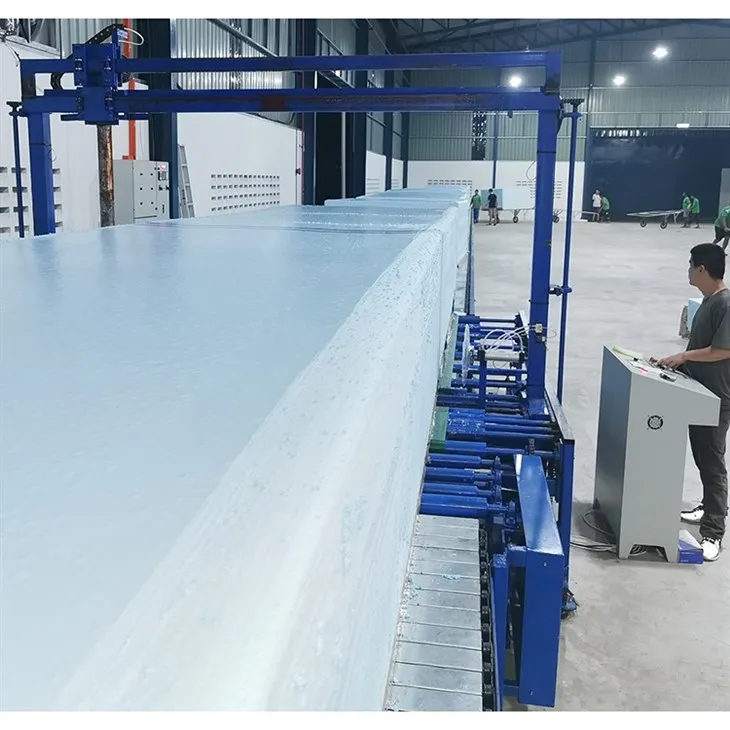
By following these maintenance tips, you can extend the life of your compressor and keep your Sponge Production Machine or Sponge Foam Making Machine or Continues Foaming Machine running at its best.
If you're interested in purchasing a new PU foaming machine or need more advice on maintaining your existing equipment, feel free to reach out. We're here to help you make the most of your investment and ensure your production process runs smoothly.

References
- Compressor Maintenance Handbook, published by industry experts.
- Manufacturer's manuals for PU foaming machines and compressors.