

How to make PU sponge foam more breathable?
In the realm of manufacturing and product development, the breathability of PU sponge foam is a crucial factor that directly impacts the comfort and performance of various products. As a dedicated PU Sponge Foam supplier, I understand the significance of enhancing the breathability of our products. In this blog, I will share some effective ways to make PU sponge foam more breathable, which will not only improve the quality of our products but also meet the diverse needs of our customers.
Understanding the Importance of Breathability in PU Sponge Foam
Breathability is a key characteristic of PU sponge foam, especially in applications where comfort and air circulation are essential. For example, in Foam For Sofa Seat, good breathability can prevent the accumulation of heat and moisture, providing a more comfortable sitting experience. In Footwear Sponge, breathable foam can keep feet dry and reduce the risk of odor and fungal infections. In Filter Foam Sheet, breathability is crucial for efficient air and fluid filtration.
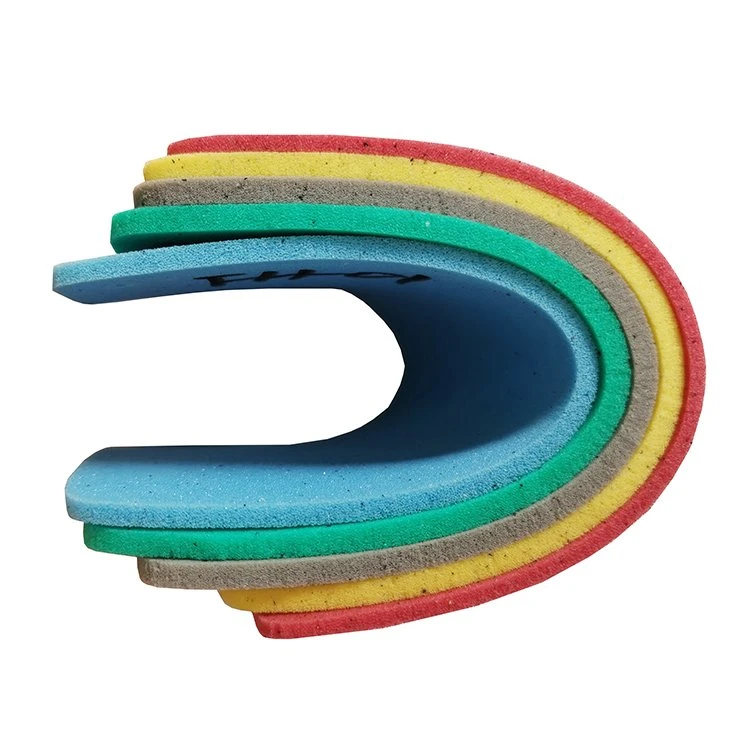
Factors Affecting the Breathability of PU Sponge Foam
Before we discuss how to improve breathability, it's important to understand the factors that influence it. The structure of the foam plays a significant role. Foams with open - cell structures are generally more breathable than those with closed - cell structures. Open - cell foams allow air and moisture to pass through easily, while closed - cell foams tend to trap air and moisture.
The density of the foam also affects breathability. Lower - density foams usually have more space between the cells, which facilitates better air circulation. Additionally, the chemical composition of the PU foam can impact its breathability. Some additives and catalysts used in the manufacturing process can alter the cell structure and, consequently, the breathability of the foam.
Methods to Improve the Breathability of PU Sponge Foam
1. Adjusting the Foaming Process
The foaming process is a critical step in determining the cell structure of the PU sponge foam. By carefully controlling the foaming agents, catalysts, and blowing agents, we can create a more open - cell structure. For example, using a higher amount of blowing agent can increase the number of cells and make the cell walls thinner, which improves air circulation.
We can also adjust the mixing speed and temperature during the foaming process. A slower mixing speed can allow the foam to form a more uniform and open - cell structure. Higher temperatures can sometimes promote faster foaming and a more porous structure, but it needs to be carefully controlled to avoid over - foaming or damaging the foam's properties.
2. Selecting Appropriate Raw Materials
The choice of raw materials is crucial for achieving better breathability. Polyols, which are a key component of PU foam, come in different types and properties. Some polyols can result in foams with more open - cell structures. For instance, polyether polyols often produce foams with better breathability compared to polyester polyols.
Isocyanates also play a role. By selecting the right isocyanate with the appropriate reactivity and functionality, we can influence the cell structure of the foam. Additionally, using additives such as surfactants can help to stabilize the foam during the foaming process and promote the formation of an open - cell structure.
3. Post - Treatment Processes
After the foam is produced, certain post - treatment processes can enhance its breathability. One such process is reticulation. Reticulation involves removing the cell membranes of the foam, leaving only the skeletal structure. This significantly improves air and moisture flow through the foam. It is particularly useful for applications where high breathability is required, such as filter foams.
Another post - treatment option is perforation. By creating small holes in the foam, we can increase the surface area available for air exchange and improve breathability. This method is often used in products like sofa cushions and footwear insoles.
4. Design Considerations
In the design of products using PU sponge foam, certain design elements can enhance breathability. For example, in sofa seats, incorporating ventilation channels or perforated covers can allow air to circulate more freely through the foam. In footwear, designing the insole with a wavy or porous structure can improve air flow around the foot.
Quality Control and Testing for Breathability
To ensure that our PU sponge foam meets the desired breathability standards, we need to implement a comprehensive quality control system. This includes regular testing of the foam samples. One common test method is the air permeability test, which measures the rate at which air can pass through the foam.
We can also conduct moisture transfer tests to evaluate how well the foam can absorb and release moisture. By setting strict quality control parameters and conducting these tests at various stages of the production process, we can ensure that our products consistently meet or exceed the breathability requirements of our customers.
Meeting Customer Needs with Breathable PU Sponge Foam
As a PU Sponge Foam supplier, our goal is to provide our customers with high - quality, breathable foam products that meet their specific needs. Whether it's for furniture, footwear, or filtration applications, we are committed to continuous improvement in the breathability of our foams.
We understand that different customers may have different requirements for breathability. Some may need highly breathable foam for high - performance applications, while others may prioritize a balance between breathability and other properties such as firmness and durability. By working closely with our customers, we can customize our products to meet their unique needs.
Conclusion
Improving the breathability of PU sponge foam is a multi - faceted process that involves careful control of the manufacturing process, selection of appropriate raw materials, post - treatment processes, and design considerations. As a PU Sponge Foam supplier, we are dedicated to leveraging these techniques to provide our customers with the best possible products.
If you are interested in our breathable PU sponge foam products for your specific applications, we encourage you to reach out to us for a detailed discussion. We are ready to work with you to find the most suitable foam solutions that meet your requirements. Let's collaborate to create products that offer enhanced comfort and performance through improved breathability.
References
- "Polyurethane Foams: Chemistry, Technology, Markets, and Trends" by Oertel, G.
- "Handbook of Polyurethanes" by Woods, G.
- Research papers on foam structure and breathability from academic journals in the field of polymer science.