

How to calibrate foaming equipment?
Calibrating foaming equipment is a crucial process that ensures the consistent production of high - quality foam products. As a leading supplier of foaming equipment, we understand the significance of accurate calibration for the efficiency and performance of the machines. In this blog post, we will guide you through the steps of calibrating foaming equipment, highlighting key aspects and best practices.
Understanding the Basics of Foaming Equipment Calibration
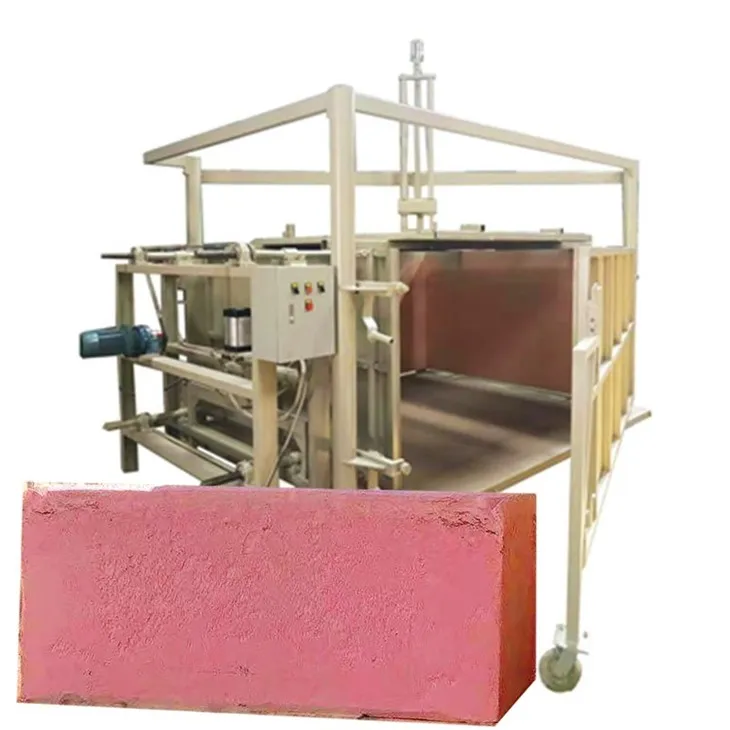
Before delving into the calibration process, it's essential to grasp the fundamental principles behind foaming equipment. Different types of foaming machines, such as the Automatic Batch PU Foaming Machine, Exhaust Pressing Foam Machine, Batch Foaming Machine, Memory Foam Manufacturing Machine, and Manual Foaming Machine, operate based on the precise mixing of raw materials, which then react to form foam.
The calibration process is designed to ensure that the equipment dispenses the correct amounts of each raw material, at the right temperature and pressure. This accuracy is vital because even minor deviations can lead to inconsistent foam quality, such as variations in density, cell structure, and mechanical properties.

Pre - calibration Checks
Before starting the calibration, a series of pre - calibration checks should be carried out. First, inspect the equipment for any visible signs of damage or wear. Check the hoses, valves, and pumps for leaks, as these can affect the flow rate and pressure of the raw materials. Ensure that all electrical connections are secure, and the control panel is functioning correctly.
Next, clean the equipment thoroughly. Residues from previous batches can interfere with the calibration process and affect the quality of the new foam. Use appropriate cleaning agents recommended by the equipment manufacturer to clean the mixing head, tanks, and other components.
Calibrating the Material Flow
One of the most critical steps in calibrating foaming equipment is setting the correct material flow rates. Each raw material, such as polyols, isocyanates, and additives, must be dispensed in the precise proportions specified by the foam formulation.
To calibrate the material flow, start by using a flow meter. Most modern foaming machines are equipped with flow meters that can measure the volume or mass of the material passing through the system. If your machine does not have a built - in flow meter, you can use an external one.
First, set the flow rate of each material to the nominal value specified in the formulation. Then, collect samples of the dispensed materials over a specific period, usually one minute. Weigh or measure the volume of the collected samples and compare the results with the expected values. If there are discrepancies, adjust the flow control valves or pumps accordingly.
It's important to note that the flow rate can be affected by factors such as temperature and viscosity. Therefore, it's necessary to maintain the raw materials at the recommended temperature during the calibration process. Use temperature - control devices, such as heaters or coolers, to keep the materials within the optimal temperature range.
Pressure Calibration
Proper pressure is crucial for the efficient mixing and dispensing of the raw materials. Incorrect pressure can lead to poor mixing, uneven foam distribution, and even equipment damage.
To calibrate the pressure, use a pressure gauge. Check the pressure at different points in the system, including the pumps, hoses, and mixing head. Compare the measured pressure with the recommended values provided by the equipment manufacturer.
If the pressure is too low, it may indicate a blockage in the system, a malfunctioning pump, or a leak. Inspect the hoses and valves for blockages and repair any leaks. If the pressure is too high, it could be due to a restricted flow or an over - pressurized pump. Adjust the flow control valves or the pump settings to bring the pressure back to the correct level.
Temperature Calibration
Temperature plays a significant role in the foaming process. Different raw materials have specific temperature requirements for optimal reactivity and foam quality.
Use temperature sensors to measure the temperature of the raw materials in the tanks and the mixing head. Compare the measured temperatures with the recommended values. If the temperature is too low, the reaction may be slow or incomplete, resulting in poor - quality foam. If the temperature is too high, it can cause the foam to over - expand or even burn.
To adjust the temperature, use the heating or cooling systems of the equipment. Most foaming machines are equipped with temperature - control units that can maintain a stable temperature. Regularly monitor the temperature during the calibration process to ensure that it remains within the desired range.
Mixing Ratio Calibration
The correct mixing ratio of the raw materials is essential for producing foam with the desired properties. To calibrate the mixing ratio, collect samples of the mixed foam and analyze them using laboratory techniques.
One common method is to measure the density of the foam. The density of the foam is directly related to the mixing ratio of the raw materials. Compare the measured density with the target density specified in the foam formulation. If the density is too high or too low, adjust the flow rates of the raw materials accordingly.
Another method is to analyze the chemical composition of the foam using techniques such as infrared spectroscopy or gas chromatography. These methods can provide detailed information about the relative amounts of different components in the foam, allowing for precise adjustments to the mixing ratio.
Post - calibration Testing
After completing the calibration process, it's important to conduct post - calibration testing to ensure that the equipment is operating correctly. Produce a test batch of foam and evaluate its quality. Check the density, cell structure, and mechanical properties of the foam. Compare the results with the desired specifications.
If the foam quality is not satisfactory, review the calibration process and make any necessary adjustments. It may be necessary to repeat some of the calibration steps, especially if there were significant deviations during the initial calibration.
Regular Maintenance and Re - calibration
Calibration is not a one - time process. Foaming equipment should be regularly maintained and re - calibrated to ensure consistent performance over time. Factors such as wear and tear, changes in raw material properties, and environmental conditions can affect the accuracy of the equipment.
Establish a regular maintenance schedule that includes cleaning, lubrication, and inspection of the equipment. Re - calibrate the equipment at least once a month or more frequently if the equipment is used intensively or if there are significant changes in the raw materials or operating conditions.
Conclusion
Calibrating foaming equipment is a complex but essential process for ensuring the production of high - quality foam products. By following the steps outlined in this blog post, you can achieve accurate calibration of your foaming equipment, leading to improved efficiency, reduced waste, and better - quality foam.
As a trusted supplier of foaming equipment, we are committed to providing our customers with the best - in - class products and support. If you have any questions about calibrating your foaming equipment or are interested in purchasing new equipment, we encourage you to contact us. Our team of experts is ready to assist you in finding the right solutions for your foaming needs. Let's work together to optimize your production process and achieve your business goals.
Putian Deming Machinery Manufacturing Co., Ltd. - Your trusted source for professional foam equipment. We look forward to hearing from you!
Sales Department Contact
Tel / WhatsApp:
Ms. Sally: 008615160289964
Ms. Lily: 008615306060616
Email: ptdmjx@ptdmjx.com
Website: www.demingmachinery.com